

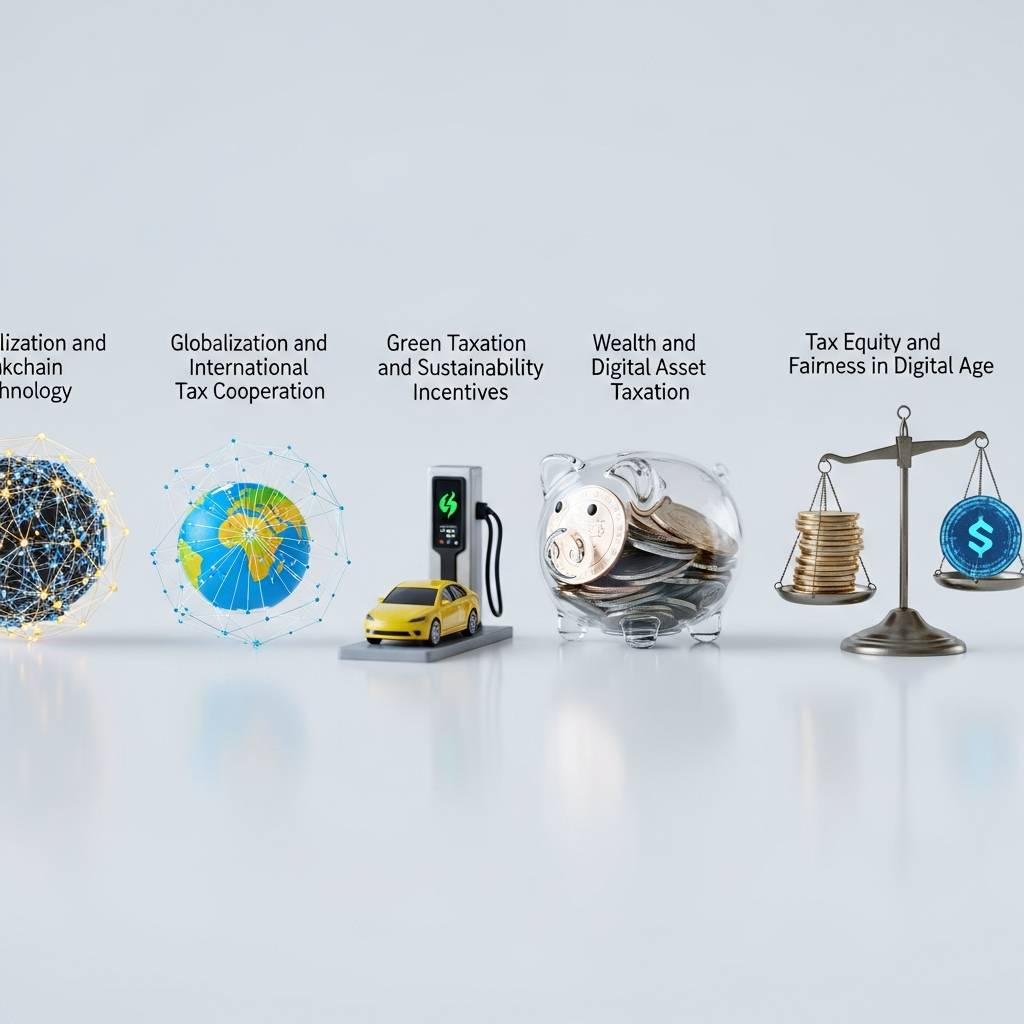
Title: 5 Essential Taxation Trends to Master Now
The world of taxation is in a constant state of flux, shaped by technological advancements, global economic shifts, and evolving societal priorities. For businesses and individuals alike, staying abreast of these changes isn’t just a matter of compliance; it’s a strategic imperative. Understanding the most impactful **Taxation Trends** is crucial for effective financial planning, risk management, and seizing new opportunities. This comprehensive guide will delve into five pivotal trends that are reshaping the fiscal landscape, offering insights and actionable knowledge to help you navigate this dynamic environment successfully. From digital transformations to global harmonization efforts, these are the **Taxation Trends** that demand your immediate attention.
Embracing Digital Transformation in Taxation Trends
Digitalization continues to be a dominant force across all sectors, and tax administration is no exception. Governments worldwide are leveraging technology to streamline processes, enhance efficiency, and combat tax evasion. This shift represents one of the most significant **Taxation Trends**, fundamentally altering how taxpayers interact with revenue authorities and manage their compliance obligations. Embracing these digital tools is no longer optional; it’s a necessity for modern financial operations.
E-invoicing and Real-time Reporting
One of the most prominent aspects of digital tax transformation is the widespread adoption of e-invoicing and real-time reporting mandates. Countries like Italy, Spain, and several in Latin America have led the charge, requiring businesses to issue invoices electronically through government-approved platforms. This allows tax authorities to monitor transactions in near real-time, significantly reducing the scope for undeclared income and VAT fraud.
The implications for businesses are substantial. It necessitates robust digital infrastructure, integration with government portals, and a shift towards automated accounting processes. While the initial setup can be challenging, the long-term benefits include improved data accuracy, faster processing times, and enhanced transparency. This is a clear indicator of evolving **Taxation Trends** towards greater digital oversight. (Image alt: Digital invoice being processed, symbolizing e-invoicing taxation trends)
AI and Machine Learning in Tax Audits
Tax authorities are increasingly deploying artificial intelligence (AI) and machine learning (ML) algorithms to enhance their audit capabilities. These sophisticated tools can analyze vast datasets, identify anomalies, detect patterns of non-compliance, and even predict potential areas of risk. This technological leap means that tax audits are becoming more targeted, efficient, and frequent.
For taxpayers, this translates into a heightened need for accurate, consistent, and well-documented financial records. Discrepancies that might have gone unnoticed in manual audits are now easily flagged by AI systems. Proactive data management and internal controls are essential to prepare for this new era of data-driven tax enforcement. Understanding these technological **Taxation Trends** is vital for maintaining compliance and avoiding penalties.
Navigating Global Minimum Taxation Trends
The push for international tax harmonization has gained unprecedented momentum, primarily driven by the OECD/G20 Inclusive Framework on Base Erosion and Profit Shifting (BEPS). The most significant outcome of this initiative is the agreement on a global minimum corporate tax rate, a monumental shift in international **Taxation Trends** that impacts multinational enterprises (MNEs) worldwide.
Pillar Two of the OECD/G20 BEPS Project
Pillar Two, often referred to as the GloBE (Global Anti-Base Erosion) rules, aims to ensure that large MNEs pay a minimum effective tax rate of 15% on their profits in every jurisdiction where they operate. This is achieved through a set of interlocking rules, primarily the Income Inclusion Rule (IIR) and the Under-taxed Profits Rule (UTPR).
The IIR generally gives the ultimate parent entity jurisdiction the right to impose a top-up tax on low-taxed profits of its foreign subsidiaries. If the IIR doesn’t apply, the UTPR acts as a backstop, allowing other jurisdictions to deny deductions or make equivalent adjustments. This complex framework represents one of the most challenging **Taxation Trends** for global businesses, requiring significant changes to tax planning, reporting, and compliance strategies.
Challenges for Developing Nations
While the global minimum tax aims to level the playing field, its implementation presents unique challenges for developing nations. Many smaller economies have historically relied on competitive tax rates to attract foreign direct investment. The new rules may diminish this advantage, prompting a re-evaluation of their fiscal policies.
Furthermore, administering the intricate GloBE rules requires substantial technical expertise and resources, which might be stretched in developing tax administrations. The impact on revenue streams and the need for capacity building are critical considerations as this global minimum tax becomes a worldwide standard. These are crucial **Taxation Trends** that will shape international economic relations for years to come.
ESG Factors Driving Taxation Trends
Environmental, Social, and Governance (ESG) considerations are no longer just about corporate reputation; they are increasingly influencing tax policy and creating new **Taxation Trends**. Governments are using tax levers to encourage sustainable practices, promote social equity, and align corporate behavior with broader societal goals.
Carbon Taxes and Green Incentives
The urgent need to address climate change has led to a proliferation of carbon taxes and other environmental levies. These taxes aim to internalize the cost of carbon emissions, making polluting activities more expensive and incentivizing cleaner alternatives. Examples include carbon pricing mechanisms in the European Union, Canada, and various other countries.
Conversely, many governments are offering significant tax incentives, credits, and subsidies for businesses and individuals investing in renewable energy, energy efficiency, and other green technologies. These policies aim to accelerate the transition to a low-carbon economy. Businesses must analyze these green **Taxation Trends** to identify potential cost savings and compliance requirements, such as the EU’s Carbon Border Adjustment Mechanism (CBAM).
Social Equity and Tax Policy
Beyond environmental concerns, tax policy is increasingly being used to address social inequalities. This involves discussions around wealth taxes, adjustments to progressive income tax structures, and changes to social security contributions. The aim is often to redistribute wealth, fund social programs, and ensure a fairer distribution of the tax burden.
For example, some jurisdictions are exploring higher taxes on high-income earners or considering taxes on specific luxury goods. Companies are also facing increased scrutiny regarding their contributions to social welfare through employment taxes and fair labor practices. These social-driven **Taxation Trends** reflect a broader societal demand for accountability and equity from both governments and corporations.
Adapting to Gig Economy Taxation Trends
The rise of the gig economy and the increasing prevalence of remote work have introduced complex challenges for traditional tax systems. The fluid nature of these work arrangements, coupled with cross-border operations, is forcing tax authorities to adapt, leading to new and evolving **Taxation Trends** in this space.
Taxing Platform-based Work
The classification of gig workers – as employees or independent contractors – has significant tax implications for both the workers and the platforms they use. Governments are grappling with how to ensure fair tax collection from individuals who may have multiple income streams from various platforms, often without traditional employer-provided tax withholding.
Many countries are now implementing new reporting obligations for digital platforms, requiring them to share transaction data with tax authorities. This aims to increase transparency and ensure gig workers meet their self-employment tax obligations. Understanding these specific **Taxation Trends** is crucial for both platform operators and gig workers to avoid compliance pitfalls.
Digital Nomad Tax Residency Rules
The phenomenon of digital nomads, individuals who work remotely while traveling the world, poses significant challenges to conventional tax residency rules. Determining where a digital nomad is tax resident can be incredibly complex, involving factors like physical presence, domicile, and the location of their economic interests.
This complexity can lead to situations of double taxation or, conversely, unintended non-taxation. Governments are slowly beginning to introduce specific visa categories and even tax regimes tailored for digital nomads, but the landscape remains largely fragmented. Professional advice is often essential for digital nomads to navigate these intricate **Taxation Trends** and ensure compliance across multiple jurisdictions. (Image alt: A laptop on a beach, illustrating digital nomad taxation trends)
Enhanced Transparency in Taxation Trends
A global movement towards greater transparency is profoundly impacting **Taxation Trends**, driven by international efforts to combat illicit financial flows, money laundering, and tax evasion. This trend manifests in stricter disclosure requirements and increased international cooperation among tax authorities.
Beneficial Ownership Registers
Many jurisdictions are now implementing public or semi-public registers of beneficial ownership. These registers require companies and other legal entities to disclose the ultimate natural persons who own or control them, rather than allowing opaque corporate structures to hide true ownership. The goal is to prevent the use of shell companies for illicit activities.
This increased transparency is a critical tool for law enforcement and tax authorities to identify and prosecute financial crimes. For businesses, it means a greater need for robust internal processes to accurately identify and report beneficial owners, ensuring compliance with these evolving disclosure **Taxation Trends**. Failing to comply can result in significant penalties and reputational damage.
Cross-border Data Sharing and CRS
The Common Reporting Standard (CRS), developed by the OECD, is a prime example of enhanced cross-border data sharing. Under CRS, financial institutions in participating jurisdictions are required to collect and report information on financial accounts held by foreign tax residents to their respective tax authorities. This information is then automatically exchanged with the tax authorities in the account holders’ countries of residence.
The CRS, along with other bilateral and multilateral exchange agreements, has significantly reduced the scope for individuals and entities to hide assets offshore to avoid tax. This dramatic increase in information exchange is a powerful force among current **Taxation Trends**, demanding complete transparency from taxpayers with international financial interests. It underscores the global commitment to tackling tax evasion head-on.
Conclusion
The landscape of taxation is evolving at an unprecedented pace, driven by technological innovation, global cooperation, and shifting societal demands. The five **Taxation Trends** discussed – digitalization, global minimum tax, ESG integration, gig economy adaptations, and enhanced transparency – are not isolated phenomena but interconnected forces reshaping fiscal policy worldwide. For businesses and individuals, understanding these shifts is not merely about avoiding penalties; it’s about strategic foresight and resilience.
Staying informed, adapting compliance strategies, and leveraging expert advice are paramount in this dynamic environment. Proactive engagement with these **Taxation Trends** will ensure that you are well-positioned to navigate the complexities, mitigate risks, and capitalize on new opportunities. Don’t let these crucial changes catch you off guard. Take action today to review your current tax strategies and ensure they align with the future of taxation.
For further insights into how these changes might specifically impact your operations or personal finances, consider consulting with a qualified tax professional. Stay ahead of the curve by subscribing to our newsletter for the latest updates on global **Taxation Trends** and expert analysis.